
Mahā Purāṇās
Mahā Purāṇa, “the great Purāṇas”
The Mahā Purāṇās are the eighteen foundational Purāṇic scriptures (scriptures that document History and Lineage) of Sanātana Dharma. Arranged by Vyāsa Maharshi, they preserve the sacred cosmology, genealogies, rites, teachings, sacred accounts and regional traditions of Bhārata. Each Purāṇa joins the knowledge of Bhagavān Vishṇu, Bhagavān Śiva and the Devī with the itihāsa of the worlds, and sacred narrative with spiritual instruction, offering a complete vision of the universe and of the place of all beings within it.
The Agni Purāṇa teaches that Śrī Mahāvishṇu himself exists in the form of the eighteen Purāṇas, beginning with the Brahma Purāṇa. Pushkara gives for each Purāṇa its size in ślokas, who told it, and the month and the gift with which it is to be given as dāna, and he promises long life, health, svarga and moksha to one who honours the itihāsas and Purāṇas and gives them in dāna.
The Bhāgavata Purāṇa gives the rule that names a Mahāpurāṇa: a Purāṇa with all ten marks is a Mahāpurāṇa, and one with five is an Alpapurāṇa. It lists the eighteen in order from the Brahma to the Brahmāṇḍa and gives the ślokas of each, four lakh in all.
Overview
The term Purāṇa (“ancient lore”) refers to a vast genre of Sanskrit literature that preserves the cultural memory of the Vedic world. The Mahā Purāṇās traditionally share ten characteristics (Daśa Lakshaṇa), with five most important characteristics being creation, dissolution, genealogies, manvantaras, and the deeds of divine incarnations.
Across the eighteen texts, one finds:
- Cosmology — creation cycles, lokas, kalpas, pralaya
- Genealogies — dynasties of kings, ṛshis, and devas
- Theology — Vaishṇava, Śaiva, Śākta, and Smārta traditions
- Rituals & Dharma — vratas, festivals, rites, ethics
- Sacred Geography — tīrthas, kshetras, rivers, mountains
- Sacred accounts & Avatāras — narratives of devas, ṛshis, and heroes
- Philosophy — Sāṅkhya, Yoga, Vedānta, Bhakti
Each Purāṇa has its own thematic emphasis, regional influence, and devotional orientation.
The Eighteen Mahā Purāṇās
Below is a structured index of all eighteen texts, with concise descriptions
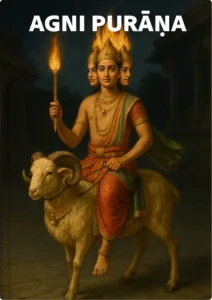
1. Agni Purāṇa
Agni Purāṇa is an encyclopedic scripture of 383 chapters covering dharma, rituals, cosmology, temple architecture, astrology, warfare, governance, and spiritual teachings.
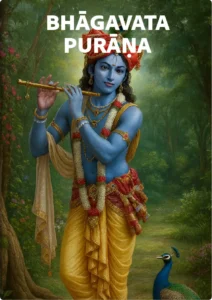
2. Bhāgavata Purāṇa
Bhāgavata Purāṇa – The “ripened fruit of Vedic wisdom,” centered on Bhakti. Features the twelve Skandhas, Śukadeva–Parīkshit dialogue, Daśa Lakshaṇa, cosmic creation, dynasties, avatāras, and the blissful Kṛshṇa līlās.
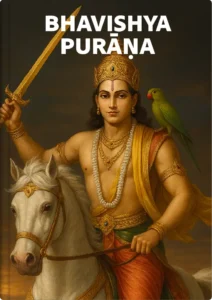
3. Bhavishya Purāṇa
Bhavishya Purāṇa is a text of prophecies, Vaidika dharma, vratas, festivals, creation narratives, foreign invasions, and Kali‑yuga practices, structured across five parvas.
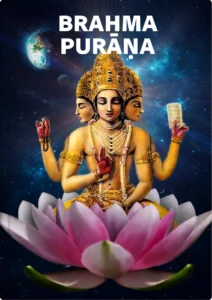
4. Brahma Purāṇa
Brahma Purāṇa is the first of the Mahā Purāṇas, detailing creation, cosmic cycles, royal genealogies, Sūrya pūjā at Konark, Purushottama Kshetra, Mārkaṇḍeya’s pralaya vision, and Kṛshṇa‑līlā.
5. Brahma Vaivarta Purāṇa
Brahma Vaivarta Purāṇa Reveals Goloka as the supreme realm and establishes Rādhā‑Kṛshṇa as the Absolute. Covers creation, Prakṛti, Gaṇeśa’s origin, and Kṛshṇa’s birth and līlās.
6. Brahmāṇḍa Purāṇa
The Purāṇa of the Cosmic Egg, describing creation, the fourteen worlds, Sapta Dvīpas, genealogies, Paraśurāma’s Bhārgava Caritra, and the Lalitopākhyāna with the Lalitā Sahasranāma.
7. Garuḍa Purāṇa
A dialogue between Bhagavān Vishṇu and Garuḍa on dharma, cosmology, the journey of the jīva after death, the rites for the departed, and moksha.
8. Kūrma Purāṇa
Covers the accounts of creation, cosmology, sacred teachings, and the main narratives of the Kūrma (Tortoise) avatāra.
9. Liṅga Purāṇa
A Śaiva Mahā Purāṇa focusing on Śiva‑centered cosmology, creation, rituals, and the significance of the Liṅga.
10. Mārkaṇḍeya Purāṇa
One of the most ancient Purāṇas, renowned for the Devī Māhātmya, Devī Sapta Sati and Mārkaṇḍeya’s visions of creation and dissolution.
11. Matsya Purāṇa
A primordial Purāṇa linked to the Matsya avatāra, bridging the ancient deluge with new creation and offering teachings on dharma, architecture, and sacred geography.
12. Nārada Purāṇa
Also called the Bṛhan‑Nāradīya Purāṇa, it elevates Bhakti as the highest dharma and contains extensive teachings on devotion, rituals, and spiritual practice.
13. Padma Purāṇa
One of the largest Purāṇas, second only to the Skanda Purāṇa. Rich in cosmology, tīrthas, dharma, and Vaishṇava theology.
14. Skanda Purāṇa
The largest of the Mahā Purāṇas, devoted to Skanda/Kārttikeya. Noted for its vast sacred geography and regional traditions.
15. Vāmana Purāṇa
A compact Purāṇa centered on the Vāmana avatāra, exploring cosmology, dharma, and the spiritual significance of Bhagavān Vishṇu’s fifth avatāra.
16. Varāha Purāṇa
Dedicated to the Varāha (Boar) avatāra, presenting cosmology, sacred geography, and Vaishṇava theology.
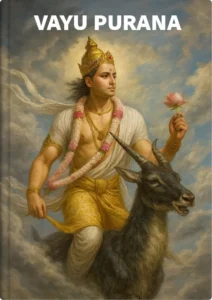
17. Vāyu Purāṇa
An ancient and powerful Purāṇa, considered a primary source for cosmology, genealogies, and early Purāṇic tradition.
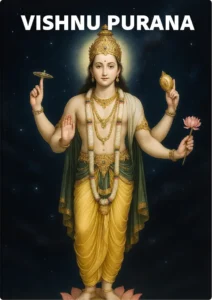
18. Vishṇu Purāṇa
Vishṇu Purāṇa is a foundational Vaishṇava scripture, presenting the essence of Vaishṇava Siddhānta, creation, dynasties, avatāras, and the path of devotion. To learn more about individual chapters visit the Contents of Vishṇu Purāṇa, To Read the Vishṇu Purāṇa in English, Hindi and Telugu visit Read Vishṇu Purāṇa Online.
Themes Across the Mahā Purāṇās
Cosmology & Creation
All Purāṇas describe the universe’s origin, structure, and cycles of dissolution.
Genealogies
They preserve the lineages of kings, ṛshis, devas, and asuras, the backbone of the itihāsa of Sanātana Dharma.
Dharma & Ritual
Each Purāṇa outlines duties, vratas, festivals, and ethical teachings relevant to householders, ascetics, and rulers.
Sacred Geography
From Purushottama Kshetra to Sapta Dvīpas, the Purāṇas map India’s spiritual landscape.
Theology & Devotion
Vaishṇava, Śaiva, and Śākta traditions each find deep expression across different texts.
The eighteen Purāṇas in the Agni Purāṇa
Śrī Mahāvishṇu in the form of the Purāṇas
Pushkara teaches that the Veda mantras, which bless all, give the four purushārthas. Śrī Mahāvishṇu, descending in the form of Vyāsa, made the division of the Veda śākhās, and the divisions of the Veda śākhās, the itihāsas and the Purāṇas are all forms of Vishṇu. Lomaharshaṇa the Sūta received the Purāṇas from Vyāsa and spread them. He had six disciples: Sumati, Agnivarcas, Mitrayu, Śiṃśapāyana, Kṛtavrata and Sāvarṇi, and Śiṃśapāyana and the others composed the Purāṇa-saṃhitā.
Śrī Mahāvishṇu himself exists in the form of the eighteen Purāṇas beginning with the Brahma Purāṇa, and in the form of the eighteen vidyās. He who bears forms with the manifest world and beyond it, with form and without form, exists in the form of the Agni Purāṇa. Knowing him, worshipping him and praising him, one gains bhukti (enjoyment) and mukti (moksha).
Source: Agni Purāṇa, Chapter 271
The gift of the Purāṇas
Pushkara then tells the glory of giving the Purāṇas in dāna. The Purāṇa is written out and given to a brāhmaṇa, in the month and with the gift named for it. In his order:
| Purāṇa | Who told it, and what it tells | Ślokas | When and how it is given |
|---|---|---|---|
| Brahma Purāṇa | Told long ago to Marīci | 50,000 | On Vaiśākha pūrṇimā, with a jala-dhenu (a “cow” of water-pots), by one who desires svarga |
| Padma Purāṇa | 12,000 | In Jyeshṭha, with a dhenu | |
| Vishṇu Purāṇa | Composed by Parāśara, with the account of the Varāha Kalpa | 23,000 | In Āshāḍha, with a jala-dhenu; the giver reaches Vishṇu-pada |
| Vāyu Purāṇa | Dear to Hari; Vāyu Deva told dharma in it, in connection with the Śveta Kalpa | 14,000 | In Śrāvaṇa, with a guḍa-dhenu (a “cow” of jaggery) |
| Bhāgavata | Based on the Gāyatrī; teaches the Bhāgavata dharmas at length, is connected with the Sārasvata Kalpa, and tells the slaying of Vṛtrāsura | 18,000 | In Bhādrapada, with a golden siṃhāsana |
| Nārada Purāṇa | Teaches the dharmas of the Bṛhat Kalpa | 25,000 | In Āśvayuja, with a dhenu; the giver gains complete siddhi |
| Mārkaṇḍeya Purāṇa | Birds discuss dharma and adharma in it | 9,000 | In Kārttika |
| Āgneya (Agni Purāṇa) | Told by Agni to Vasishṭha; teaches all vidyās | 12,000 | In Mārgaśīrsha; the giver gains all fruit |
| Bhavishya Purāṇa | Born of Sūrya; Śiva told it to Manu | 14,000 | In Pausha, with guḍa and the rest |
| Brahma Vaivarta Purāṇa | Sāvarṇi told it to Nārada; it holds the account of the Rathantara Kalpa | 18,000 | In Māgha |
| Varāha Purāṇa | Tells the deeds of Varāha | In Māgha; the giver reaches Brahmaloka | |
| Liṅga Purāṇa | Maheśvara, present in the liṅga of fire, taught dharma in it with the accounts of the Āgneya Kalpa | 12,000 | In Phālguna, with a tila-dhenu (a “cow” of sesame); the giver reaches Śivaloka |
| Varāha Purāṇa | Vishṇu told Bhū Devī the account of Varāha, beginning from the conduct of men | 24,000 | |
| Garuḍa Purāṇa | In Caitra, with gold; the giver reaches Vishṇu-pada | ||
| Skanda Purāṇa | Kumārasvāmī told it on the Śaiva doctrine, the account of the Tatpurusha Kalpa | 84,000 | In Caitra |
| Vāmana Purāṇa | Tells the deeds of Vishṇu in a kalpa, and teaches dharma, artha and the rest | 10,000 | On a pūrṇimā at the vishuva saṅkrānti (the equinox) |
| Kūrma Purāṇa | Vishṇu in the form of Kūrma told it in Pātāla, in the course of the account of Indradyumna | 8,000 | With a golden tortoise |
| Matsya Purāṇa | Vishṇu in the form of Matsya told it to Manu at the beginning of the kalpa | 13,000 | With gold and pearl |
| Garuḍa Purāṇa | Tells the birth of Garutmān from the cosmic egg | 8,000 | With a golden haṃsa (swan) |
| Brahmāṇḍa Purāṇa | Brahmā Deva told it, on the glory of the Brahmāṇḍa | 12,000 | Given to a brāhmaṇa |
The paurāṇika, the reciter of the itihāsas and Purāṇas, is honoured with cloth, sandal paste and garlands. He is given mahādānas and many kinds of gems, and two or three māshas of gold every month. “O best of the twice-born,” says Pushkara, “all the hearers too should honour the paurāṇika.”
The phalaśruti: one who honours the itihāsas and Purāṇas and gives them in dāna attains long life, health, svarga and moksha.
Source: Agni Purāṇa, Chapter 272
The eighteen Purāṇas in the Bhāgavata Purāṇa
Mahāpurāṇa and Alpapurāṇa
Sūta Maharshi tells Śaunaka Maharshi that the knowers of the Purāṇas give a Purāṇa ten marks: sarga (creation), visarga (the creation of beings), vṛtti (livelihood), rakshā (protection by the avatāras of Śrī Hari), the manvantaras, vaṃśa (the lines of kings), vaṃśānucarita (their history), pralaya (dissolution), hetu (the cause) and apāśraya (the substratum, Parabrahma). Some say a Purāṇa has five marks. The rule is this: a Purāṇa with ten marks is a Mahāpurāṇa, and one with five is an Alpapurāṇa, a lesser Purāṇa. By these marks the Purāṇas are known; some are small and some large, and the maharshis who know the ancient truths say there are eighteen.
Source: Bhāgavata Purāṇa, Skandha 12, Chapter 7
The list and the ślokas
Sūta names the eighteen in this order: Brahma, Padma, Vishṇu, Śiva, Liṅga, Garuḍa, Nārada, Bhāgavata, Agni, Skanda, Bhavishya, Brahmavaivarta, Mārkaṇḍeya, Vāmana, Varāha, Matsya, Kūrma and Brahmāṇḍa. In the last chapter of the Bhāgavata he gives the maharshis the ślokas of each:
| Purāṇa | Place in the list | Ślokas |
|---|---|---|
| Brahma | 1 | 10,000 |
| Padma | 2 | 55,000 |
| Vishṇu | 3 | 23,000 |
| Śiva | 4 | 24,000 |
| Liṅga | 5 | 11,000 |
| Garuḍa | 6 | 19,000 |
| Nārada | 7 | 25,000 |
| Bhāgavata | 8 | 18,000 |
| Agni | 9 | 15,400 |
| Skanda | 10 | 81,100 |
| Bhavishya | 11 | 14,500 |
| Brahmavaivarta | 12 | 18,000 |
| Mārkaṇḍeya | 13 | 9,000 |
| Vāmana | 14 | 10,000 |
| Varāha | 15 | 24,000 |
| Matsya | 16 | 14,000 |
| Kūrma | 17 | 17,000 |
| Brahmāṇḍa | 18 | 12,000 |
All the Purāṇas together have four lakh ślokas, and of these the Śrīmad Bhāgavata has 18,000. As the Gaṅgā is among rivers and Kāśī among kshetras, Sūta says, so is the Śrīmad Bhāgavata the best of all the Purāṇas.
Source: Bhāgavata Purāṇa, Skandha 12, Chapters 7, 13
Sources
- Agni Purāṇa, Chapters 271, 272
- Bhāgavata Purāṇa, Skandha 12, Chapters 7, 13
Learn More about Mahā Purāṇas
 Agni Purāṇa
 Bhāgavata Purāṇa
 Bhavishya Purāṇa
 Brahma Purāṇa
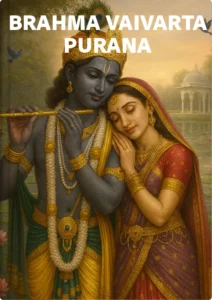 Brahma Vaivarta Purāṇa
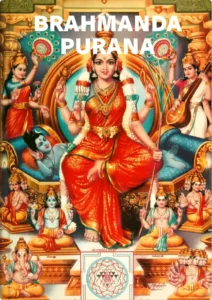 Brahmāṇḍa Purāṇa
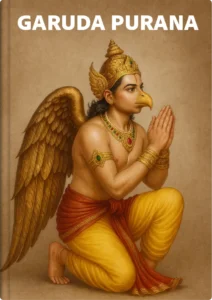 Garuḍa Purāṇa
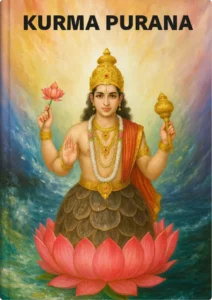 Kūrma Purāṇa
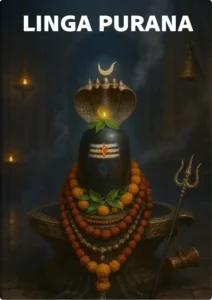 Liṅga Purāṇa
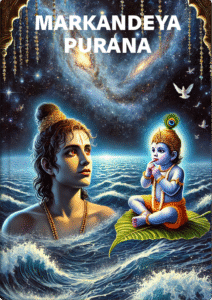 Mārkaṇḍeya Purāṇa
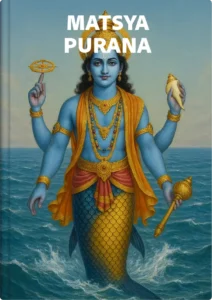 Matsya Purāṇa
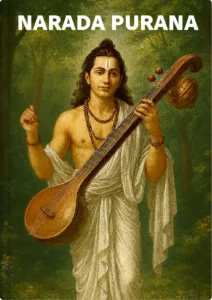 Nārada Purāṇa
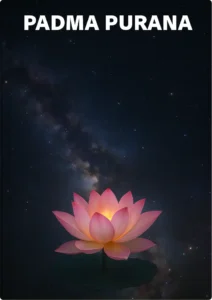 Padma Purāṇa
 Śiva Purāṇa
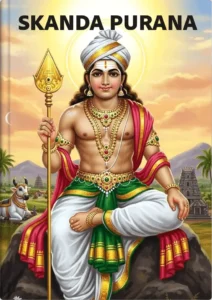 Skanda Purāṇa
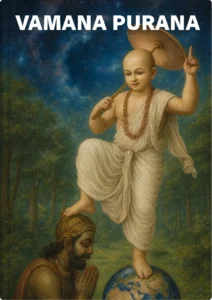 Vāmana Purāṇa
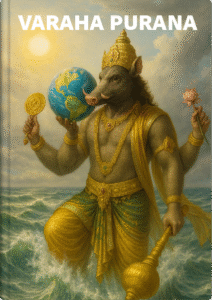 Varāha Purāṇa
 Vāyu Purāṇa
 Vishṇu Purāṇa