
Subāhu, Son of Madālasā
|
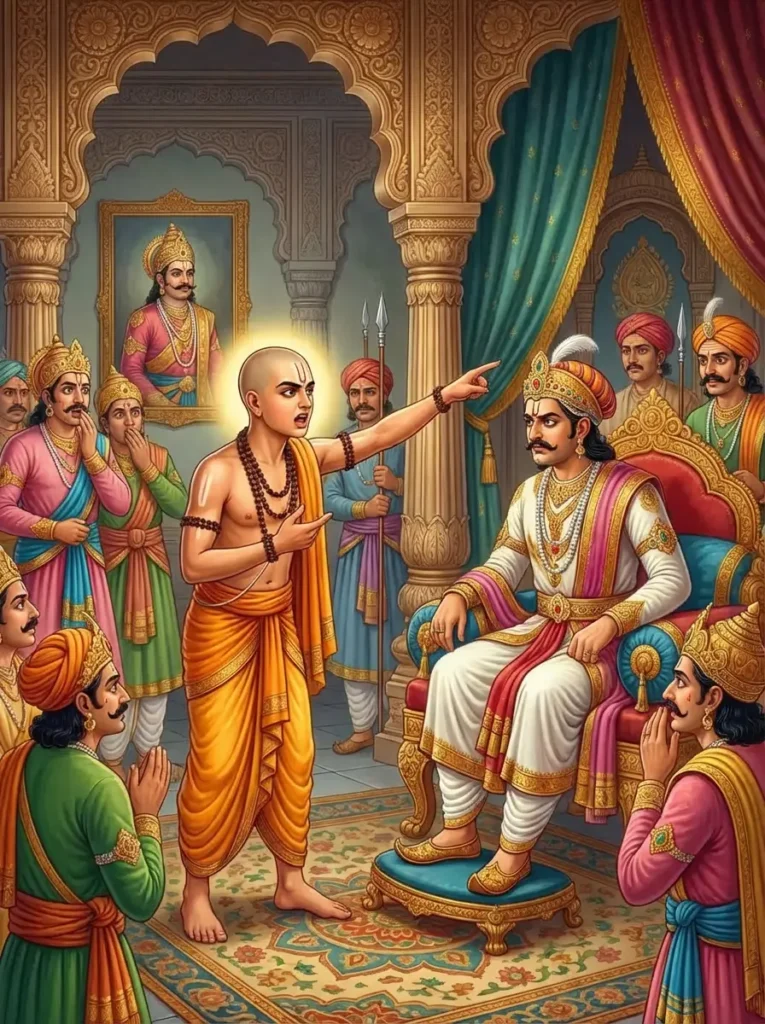
Subāhu was the second son of the legendary King Ṛtadhvaja and Queen Madālasā. He is a prominent figure in the Mārkaṇḍeya Purāṇa, known for his early renunciation of worldly life and his later intervention to guide his younger brother, Alarka, toward spiritual enlightenment. His character serves as an example of the power of spiritual upbringing and the selfless nature of a realized soul who prioritizes the liberation of others.
Early Life and Spiritual Education
Unlike typical princes who were trained primarily in warfare and administration, Subāhu was exposed to the highest spiritual truths from his very birth. His mother, Madālasā, who was a Jñānin of the highest order, chose to impart Brahma-vidyā to her children while they were still in their cradles. She sang lullabies to Subāhu that emphasized the illusory nature of the physical body and the eternal reality of the Ātman.
These teachings focused on the concept that the name and form of a person are mere labels for a combination of five elements and that the true self is untainted by the qualities of the material world. Subāhu, along with his older brother Vikrānta and his brother Śatrumardana, absorbed these teachings so deeply that he lost all interest in the pleasures of the palace and the future responsibilities of the throne.
Renunciation and Asceticism
Following the path laid out by his mother, Subāhu abandoned his royal inheritance and left the kingdom to practice Tapas in the forest. He sought to transcend the cycle of birth and death, living a life of total detachment and meditation. While his younger brother Alarka remained behind to rule the kingdom as per the wishes of their father, Ṛtadhvaja, Subāhu achieved a state of high spiritual realization. He spent years in contemplation, becoming a master of his own mind and senses, completely removed from the politics and desires of the human realm.
The Siege of the Kingdom
After many years, Subāhu observed that Alarka had become deeply entrenched in the responsibilities and luxuries of the throne. He saw that his brother was becoming bound by worldly attachments and was drifting away from the spiritual heritage of their mother. Subāhu decided that it was his duty to save his brother from the bondage of Saṃsāra. He understood that direct instruction might be ignored by a powerful monarch, so he devised a plan to create a crisis that would trigger Alarka’s spiritual awakening.
Subāhu approached the King of Kāśī and encouraged him to attack Alarka‘s kingdom. He offered his tactical assistance to the King of Kāśī, leading to a massive conflict that eventually resulted in the siege of Alarka’s capital. The resulting war and the threat of total defeat were intended to create a sense of Vairāgya in Alarka by demonstrating the fragility of worldly power and possessions.
Spiritual Success and Final Years
The plan proved successful. As Alarka faced the loss of his kingdom and the suffering of his subjects, he fell into a state of deep introspection and distress. This state led him to consult the wisdom left by Madālasā and eventually to seek the guidance of the great sage Dattātreya. Under the instruction of Dattātreya, Alarka attained Yoga and realized the ultimate truth.
Once Alarka had achieved enlightenment and stood ready to renounce the kingdom himself, Subāhu revealed the true intention behind the war. He explained that his alliance with the King of Kāśī was not born of greed or animosity, but of a profound brotherly love that sought Alarka’s eternal welfare. Having fulfilled his mission to bring his brother to the path of Mokṣa, Subāhu returned to his ascetic life. He is remembered as a rare example of a sibling who used worldly conflict as a tool for divine grace.
Source: Mārkaṇḍeya Purāṇa, Chapters 18 – 41