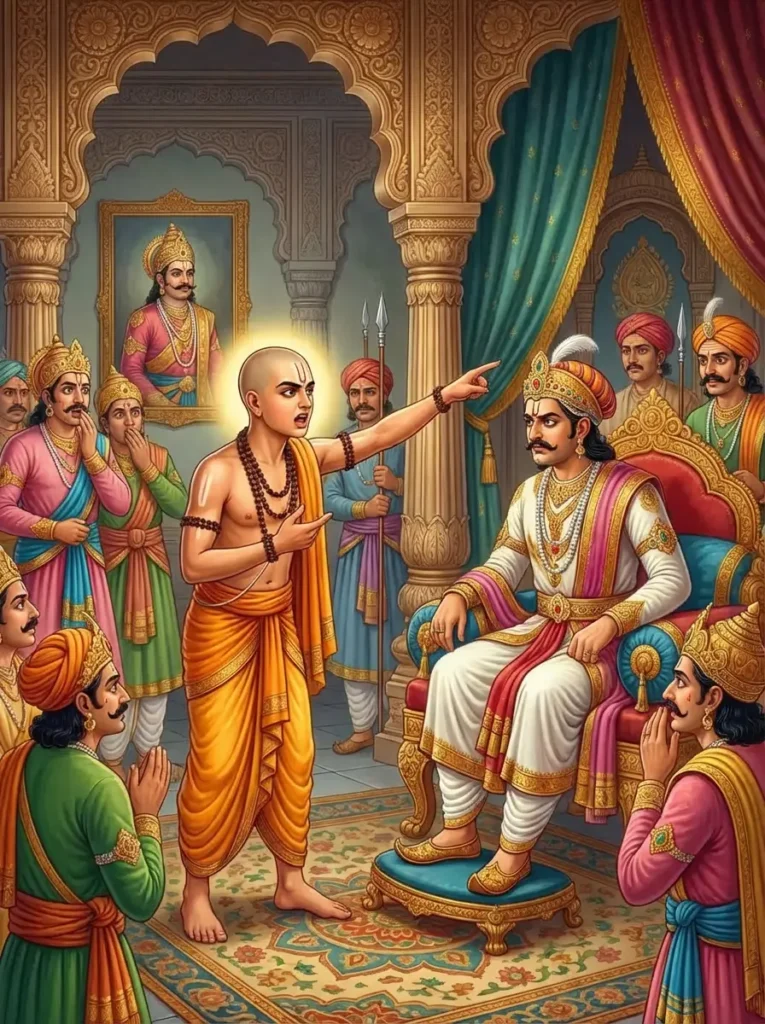
Kṣatriya Kings and Queens
Kṣatriya: The Guardians of Dharma
In Sanātana Dharma, the Kṣatriya (Sanskrit: क्षत्रिय) represents the warrior and administrative energy of society. Derived from the root kṣatra, meaning “dominion,” “power,” or “liberty,” a Kṣatriya is one who protects the world from Adharma (unrighteousness) and ensures the welfare of all living beings through the application of just governance and physical prowess.
The Philosophy of Governance
The role of Kṣatriya Kings and Queens is defined by Rāja Dharma—the specific duty of a ruler. In this framework, leadership is not a vehicle for personal gain but a sacred sacrifice (Yajña) performed for the upliftment of the kingdom.
- Dharma-Rāja: A ruler who acts as the embodiment of law and justice, ensuring that the four goals of human life (Puruṣārthas)—Dharma, Artha, Kāma, and Mokṣa—are attainable by all subjects.
- Protection (Rakṣaṇa): The primary duty is to shield the vulnerable and maintain social order, often requiring the king or queen to be a master of Dhanurveda (the science of warfare).
- Self-Mastery: A true Kṣatriya is expected to conquer their internal enemies—lust, anger, and greed—before attempting to rule external territories.
Notable Kṣatriya Lineages
The history of Sanātana Dharma is chronicled through two primary royal lineages (Vaṃśas) that claim descent from the cosmic forces:
- Sūryavaṃśa (Solar Dynasty): Descended from Sūrya, known for an unwavering commitment to truth (Satya), epitomized by rulers like Hariścandra.
- Candravaṃśa (Lunar Dynasty): Descended from Candra (the Moon), encompassing vast empires and complex familial dharmas, including the lineages of the Puru and Yadu.
Illustrious Kings and Queens
The following figures represent the peak of Kṣatriya ideals, balancing temporal power with spiritual depth:
- Hariścandra: Renowned for his absolute adherence to truth, sacrificing his kingdom and family to uphold his word.
- Madālasā: An enlightened queen and Rājarishi who instructed her children, including Alarka and Subāhu, in the highest spiritual knowledge from infancy.
- Bhīma (King of Vidarbha): A righteous ruler and the father of Damayantī, known for his wisdom and strength.
- Ṛtadhvaja: A king celebrated for his valor and his union with Madālasā, representing the ideal householder-ruler.
- Rukmāṅgada: A devout king who prioritized the observance of Ekādaśī and spiritual discipline above all worldly considerations.
The Kṣatriya Spirit in Daily Life
The Kṣatriya ideal is not limited to the battlefield but extends to any action taken to uphold justice.
- Dāna (Charity): Kings were expected to be the greatest givers, ensuring that wealth circulated to support the Brahmanas, the poor, and the infrastructure of the state.
- Nyāya (Justice): The palace functioned as the highest court, where the ruler was the final arbiter of truth.
“The king is the maker of the age; it is he who determines whether an era is one of righteousness or decay.” — Mahābhārata
Kṣatriya Kings and Queens from various Purāṇas
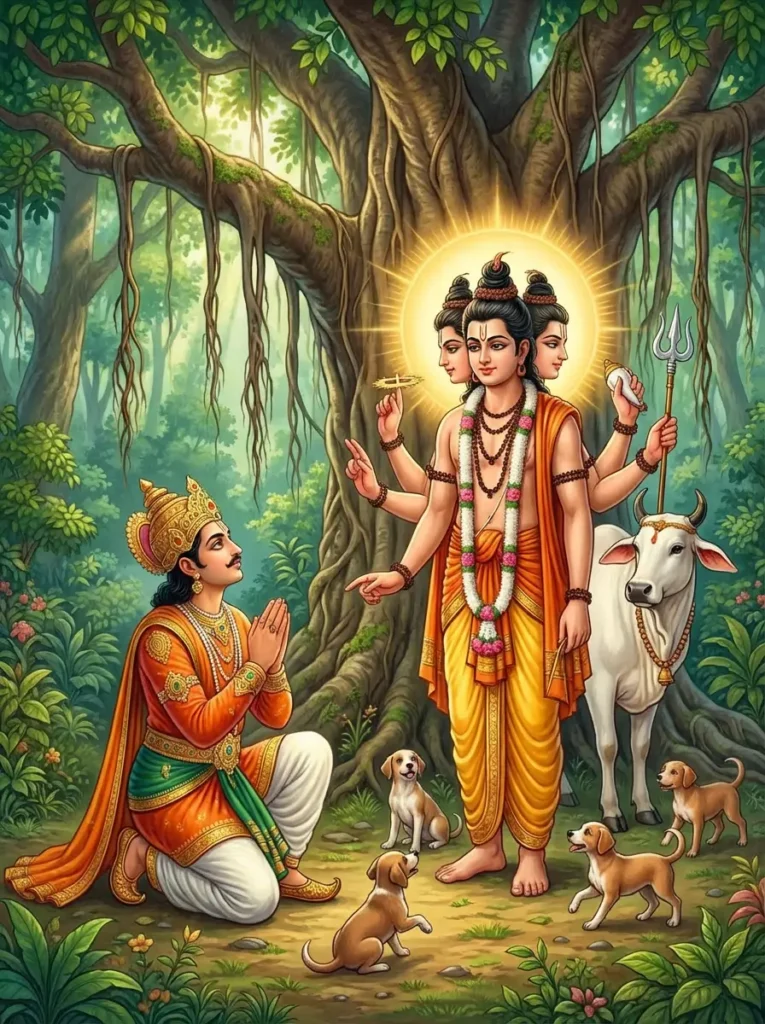
Alarka, A King & Son of Madālasā
Avīkṣita, A King
Bhalandana, A King

Bhīma, The King of Vidarbha

Dakṣa, The Ancestor of Bhīma Mahārāja
Dama
Karandhama
Khanīnetra
Khanitra

King Hariśchandra

Madālasā
Marutta, A Gandharva
Nābhāga
Nariṣyanta
Pṛṣadhra

Ṛtadhvaja

Rukmāṅgada

Śatrujit